
Fattoria di Roscetti
Fattoria di Roscetti
The fattoria (farm) comprising approx. 700 hectares of land, has belonged to the Vivarelli-Colonna family since the 14th Century. Approximately half of estate is woodland.
Much of this is classified as a ‘reserve’, meaning that the wildlife within it are protected. Their numbers, particularly of wild boar, are controlled occasionally, but they can breed in relative peace.
Crops grown over the entire time, and still to this day, include wheat, barley & hay for the cattle.
The fattoria (farm) comprising approx. 700 hectares of land, has belonged to the Vivarelli-Colonna family since the 14th Century. Approximately half of estate is woodland.
Much of this is classified as a ‘reserve’, meaning that the wildlife within it are protected. Their numbers, particularly of wild boar, are controlled occasionally, but they can breed in relative peace.
Crops grown over the entire time, and still to this day, include wheat, barley & hay for the cattle.
Today the farm is a 100% biological operation and is certified as such. No chemicals are used. the entire operation reflects the importance and balance of biodiversity
Today the farm is a 100% biological operation and is certified as such. No chemicals are used. the entire operation reflects the importance and balance of biodiversity
The chianina
The chianina
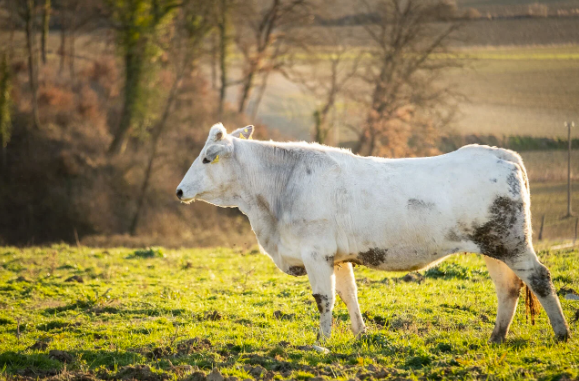
Since the 14th Century, the fattoria has been home to Chianina cattle – one of the oldest continually-working farms in the world. The Chianina is both tallest and haviest breed of cattle, in fact a Chianina holds the world-record for the world’s heaviest bull! These animals are selectively bred for sale and their meat.
Since the 14th Century, the fattoria has been home to Chianina cattle – one of the oldest continually-working farms in the world. The Chianina is both tallest and haviest breed of cattle, in fact a Chianina holds the world-record for the world’s heaviest bull! These animals are selectively bred for sale and their meat.
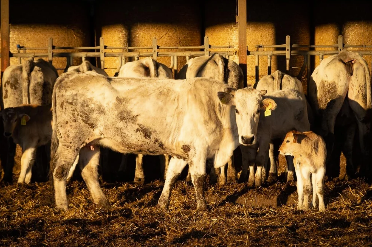
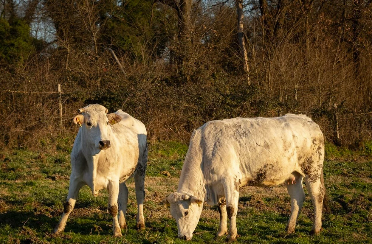
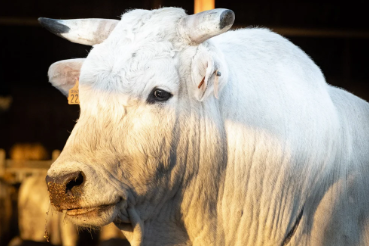
Food grown on the land for the cattle is 100% biological. The cattle are reared with the upmost care and attention to their health and well-being and spend time on pasture when the sun isn’t too strong.
Solar photovoltaic electricity & methane capture
Solar photovoltaic electricity & methane capture
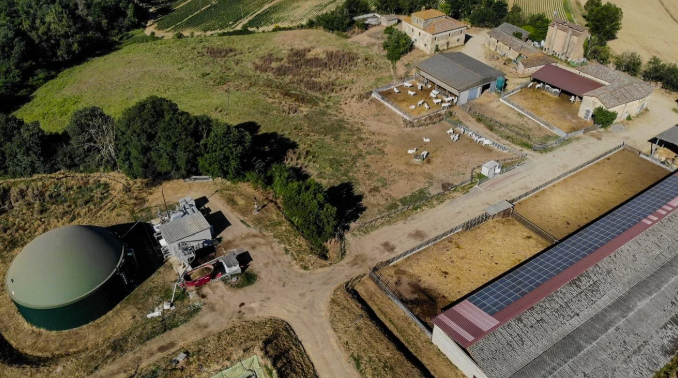
A large solar photovoltaic array on the stall
roofs feeds the generated electricity back into
the National Grid.
A bio-gas installation captures methane produced by the anaerobic decomposition of the cattle manure. As well as providing an additional energy source, it prevents it being released into the atmosphere and it generates (when converted) approximately 100kW/hr of electricity.
A large solar photovoltaic array on the stall
roofs feeds the generated electricity back into
the National Grid.
A bio-gas installation captures methane produced by the anaerobic decomposition of the cattle manure. As well as providing an additional energy source, it prevents it being released into the atmosphere and it generates (when converted) approximately 100kW/hr of electricity.